
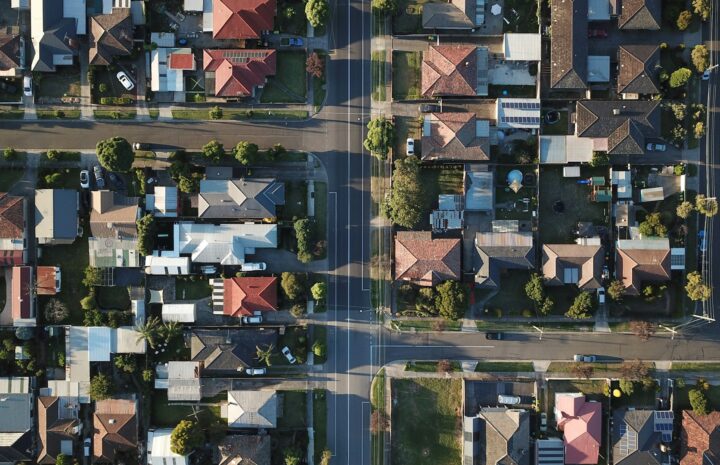
A neighborhood’s identity is shaped by more than the houses within it, and some suburban areas develop a much stronger sense of character than others. Building styles, street layouts, landscaping, public spaces, and the relationship between homes can create visual patterns that make one area feel cohesive and distinctive. Bauprofessor reflects broader discussions about construction and residential planning, where individual design choices can influence the character of entire communities. Over time, consistency in materials, setbacks, green spaces, and architectural details can strengthen this shared identity without making every property look identical. Exploring these influences reveals why certain suburban areas develop a recognizable character that can shape how residents and visitors experience the neighborhood.
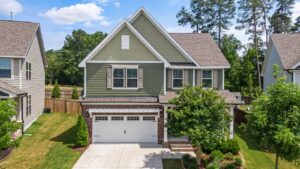
How Architectural Consistency Shapes Neighborhood Character
The appearance of individual homes can contribute strongly to the identity of a suburban area. Similar building scales, setbacks, roof forms, materials, or relationships with the street can create visual continuity between properties. This does not necessarily require identical houses. Instead, recurring architectural characteristics can establish a recognizable pattern that connects different properties. Areas where homes follow broadly related design principles may therefore develop a stronger identity than neighborhoods where building forms, sizes, and orientations vary without a clear relationship to their surroundings.
Why Street Layout Influences Property Identity
The arrangement of streets can shape how residents and visitors perceive an entire suburban area. Curved roads, tree-lined avenues, compact blocks, cul-de-sacs, and pedestrian connections create different patterns of movement and visibility. These patterns influence how homes relate to public spaces and to one another. A neighborhood with a distinctive street structure can become recognizable through its circulation alone, even when individual properties differ considerably. The layout of streets therefore provides an underlying framework that helps connect separate buildings into a coherent environment.
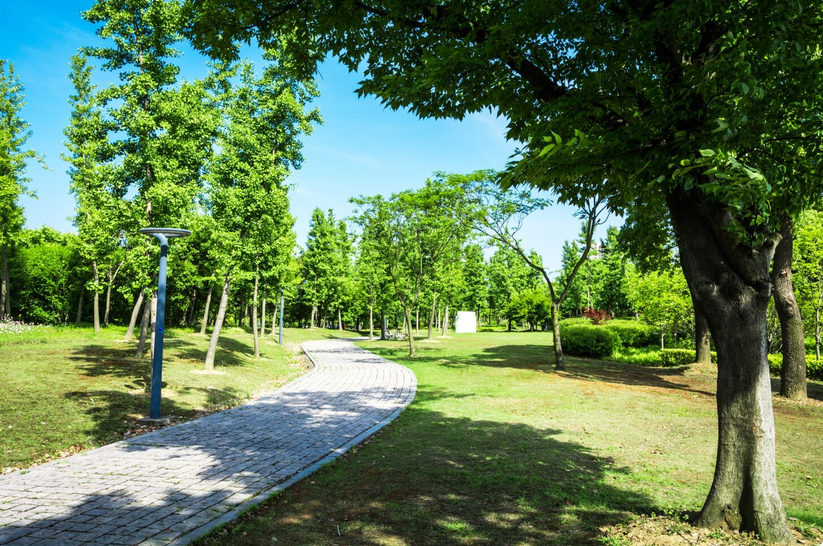
The Role of Landscaping and Shared Spaces
Landscaping can strengthen property identity by creating recurring visual elements across a neighborhood. Mature trees, planted verges, gardens, parks, and communal green spaces can establish a consistent relationship between built areas and nature. Shared landscapes can also create recognizable gathering points and soften the transition between private properties and public streets. Over time, these features can become closely associated with the area itself. The identity of a suburb is therefore influenced not only by its buildings but also by the landscape that connects them.
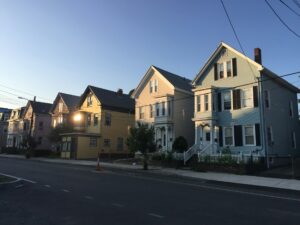
How Development History Creates Distinctive Areas
The age and sequence of development can also influence suburban identity. Areas built during a relatively concentrated period may contain homes with related architectural styles, construction methods, and spatial arrangements. Neighborhoods that develop gradually over many decades can contain several generations of buildings, producing a more varied character. Renovations and extensions can add further layers of visual change. These historical patterns help explain why some suburban areas develop a recognizable identity while others remain visually diverse, even when they occupy similar geographic settings.
Some suburban areas develop stronger property identity because their buildings, streets, landscapes, and historical development create recognizable patterns that connect individual properties. Architectural consistency can establish visual continuity, while street layouts and shared landscapes reinforce the area’s distinct character. Development history can add further layers, creating identities that evolve rather than appearing fully formed from the beginning. Ultimately, suburban identity is created through the interaction of many properties and public spaces, demonstrating that the character of a home is influenced not only by what happens within its boundaries but also by the wider environment in which it exists.…