

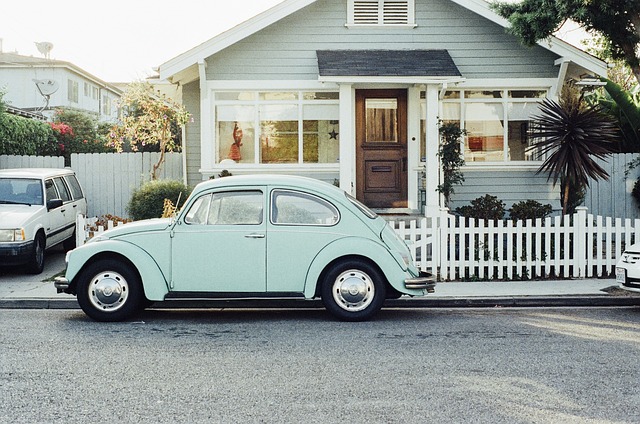
A neighborhood’s identity is shaped by more than the houses within it, and some suburban areas develop a much stronger sense of character than others. Building styles, street layouts, landscaping, public spaces, and the relationship between homes can create visual patterns that make one area feel cohesive and distinctive. Bauprofessor reflects broader discussions about construction and residential planning, where individual design choices can influence the character of entire communities. Over time, consistency in materials, setbacks, green spaces, and architectural details can strengthen this shared identity without making every property look identical. Exploring these influences reveals why certain suburban areas develop a recognizable character that can shape how residents and visitors experience the neighborhood.

How Architectural Consistency Shapes Neighborhood Character
The appearance of individual homes can contribute strongly to the identity of a suburban area. Similar building scales, setbacks, roof forms, materials, or relationships with the street can create visual continuity between properties. This does not necessarily require identical houses. Instead, recurring architectural characteristics can establish a recognizable pattern that connects different properties. Areas where homes follow broadly related design principles may therefore develop a stronger identity than neighborhoods where building forms, sizes, and orientations vary without a clear relationship to their surroundings.
Why Street Layout Influences Property Identity
The arrangement of streets can shape how residents and visitors perceive an entire suburban area. Curved roads, tree-lined avenues, compact blocks, cul-de-sacs, and pedestrian connections create different patterns of movement and visibility. These patterns influence how homes relate to public spaces and to one another. A neighborhood with a distinctive street structure can become recognizable through its circulation alone, even when individual properties differ considerably. The layout of streets therefore provides an underlying framework that helps connect separate buildings into a coherent environment.

The Role of Landscaping and Shared Spaces
Landscaping can strengthen property identity by creating recurring visual elements across a neighborhood. Mature trees, planted verges, gardens, parks, and communal green spaces can establish a consistent relationship between built areas and nature. Shared landscapes can also create recognizable gathering points and soften the transition between private properties and public streets. Over time, these features can become closely associated with the area itself. The identity of a suburb is therefore influenced not only by its buildings but also by the landscape that connects them.

How Development History Creates Distinctive Areas
The age and sequence of development can also influence suburban identity. Areas built during a relatively concentrated period may contain homes with related architectural styles, construction methods, and spatial arrangements. Neighborhoods that develop gradually over many decades can contain several generations of buildings, producing a more varied character. Renovations and extensions can add further layers of visual change. These historical patterns help explain why some suburban areas develop a recognizable identity while others remain visually diverse, even when they occupy similar geographic settings.
Some suburban areas develop stronger property identity because their buildings, streets, landscapes, and historical development create recognizable patterns that connect individual properties. Architectural consistency can establish visual continuity, while street layouts and shared landscapes reinforce the area’s distinct character. Development history can add further layers, creating identities that evolve rather than appearing fully formed from the beginning. Ultimately, suburban identity is created through the interaction of many properties and public spaces, demonstrating that the character of a home is influenced not only by what happens within its boundaries but also by the wider environment in which it exists.…

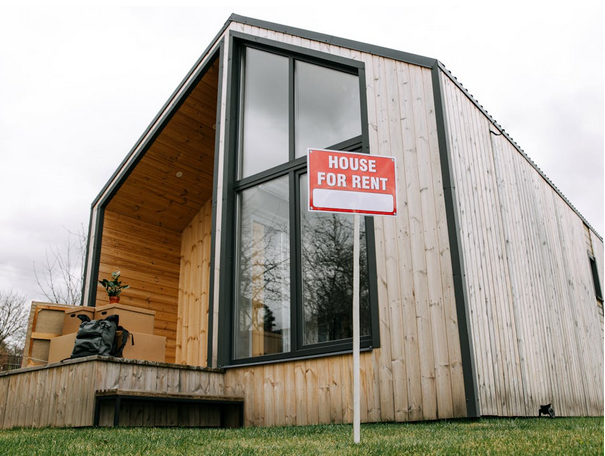
















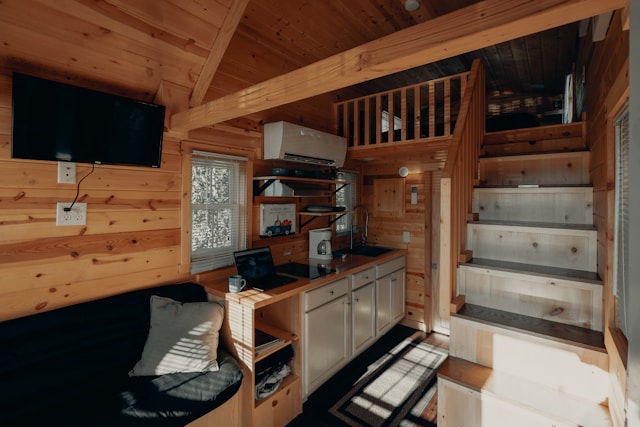
 Co-living spaces have gained popularity in recent years as an alternative housing option for individuals looking to minimize costs while enjoying a sense of community. These spaces typically offer private bedrooms within shared apartments or houses, allowing residents to split rent and utilities.
 Government-subsidized housing programs can be an essential resource for individuals seeking affordable housing in expensive cities. Programs such as Section 8 in the United States or social housing initiatives in Europe provide financial assistance to eligible individuals or families, allowing them to secure affordable rental accommodations.
 One of the primary advantages of smart outdoor lighting is its




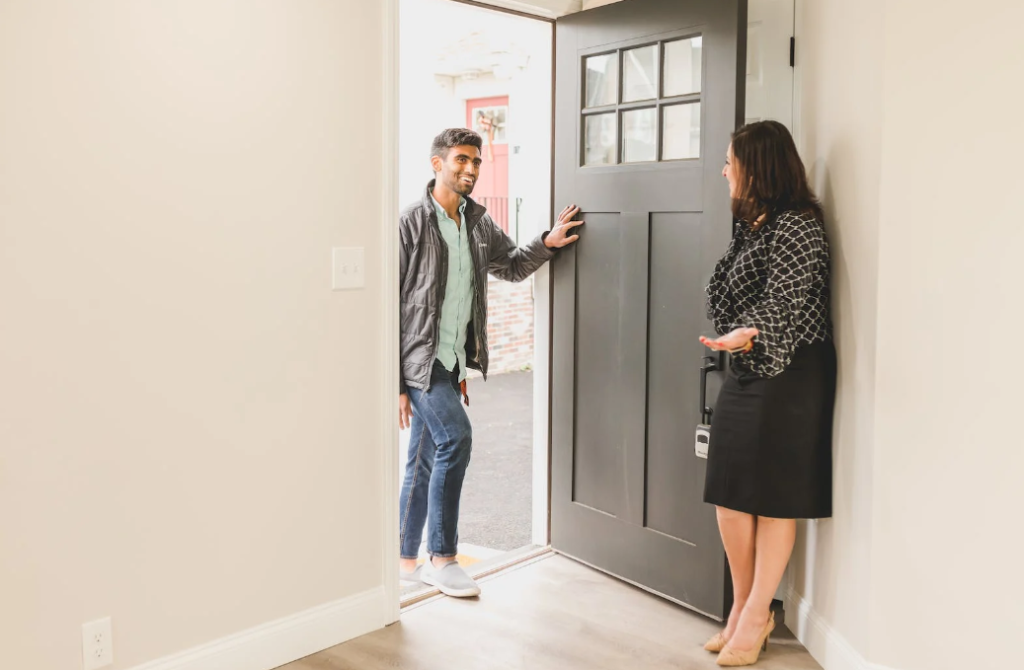
 The first step in starting a small business at home is coming up with your business idea. This can be anything from selling handmade jewelry to offering pet-sitting services. If you’re not sure what type of business you want to start, take some time to brainstorm and come up with a few ideas.
 This document will outline your business goals, strategies, and how you intend to achieve them. A business plan is essential for keeping your small business on track and helps you secure funding from investors or lenders. If you’re unsure where to start, the Small Business Administration has a helpful guide on writing a business plan.
 One of the best ways to add art to your
  Last but not least, if you’re such a minimalist, you can use a grid layout. This is a great way to add art to your home décor without going overboard. To create a grid layout, start by choosing the artwork you want to display. Then, determine how many pieces will fit in each row and column.
 It’s important to do some basic
  It will become much harder to clean if you let things build up around your
  If you have an outdoor space, such as a patio or
  Once you have created a relaxing environment, you need to add some comfortable furniture. This will make it easy for you to relax and spend time in the space. When selecting furniture, it is important to choose comfortable and stylish pieces.
 By adjusting the bed to your desired position, you can find a comfortable position that helps to ease your pain. This is something that you won’t be able to do with a regular bed. A simple pain can turn into a chronic one if not addressed properly.
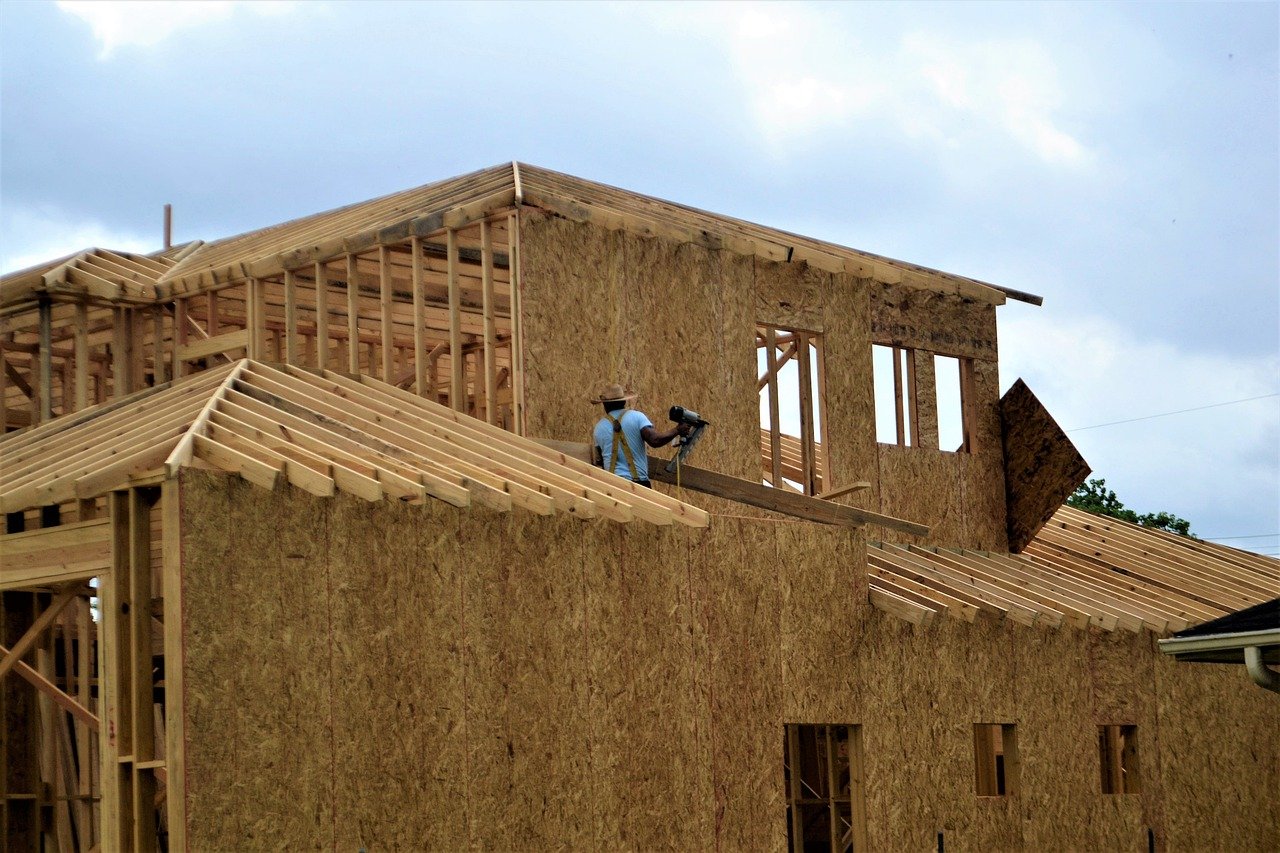

 Although DIY projects are trendy, they’re not always in your best interest. When it comes to residential roofing repairs or replacement, the job is often too big and complicated for even the most experienced DIYer. Why? Because a professional has all of the tools necessary to get the job done quickly and efficiently. That means less time spent on the roof and less money spent on materials.
 One of the most important things to consider when building a pergola is where to put it. Make sure to pick an area that gets lots of sun, as this will help your plants grow. You’ll also want to make sure there’s enough space for the pergola in your yard. Many people buy a pergola kit that includes the beams and other materials, but it can get pricey if you have to purchase each piece separately.
 Now it’s time to install the roofing material. If you’re using shingles, be sure to follow the instructions that come with your kit or plan. It’s a good idea to use a ladder when installing shingles, as it can be tricky to reach some of the higher spots. If you’re using a different type of roofing material, be sure to read the instructions carefully to know how to install it properly.
 One of the best ways to cook vegan food at home is finding recipes that you can quickly and easily. Many different websites and cookbooks offer vegan-friendly recipes, so be sure to do some research before getting started. This way, you’ll know exactly what ingredients you need for each recipe and how to prepare them. You can also find vegan recipes on some of your favorite cooking websites, like this one.