
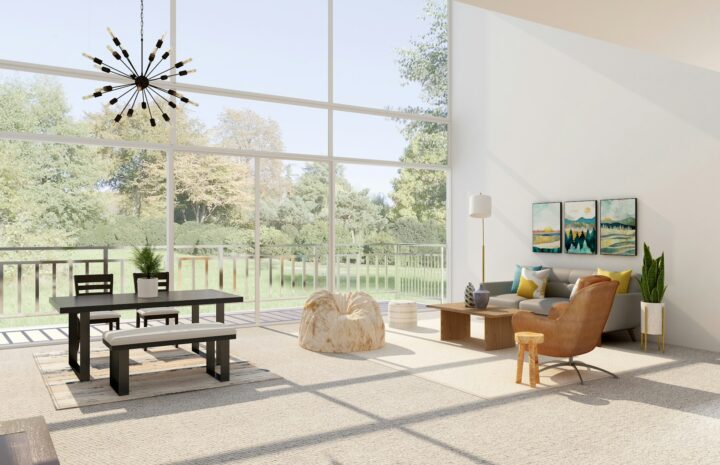
A beautiful view can do more than decorate a window; it can become an active part of how a home’s interior is experienced. The position of windows, furniture, walls, and circulation routes can determine whether landscapes, gardens, or city scenes become natural focal points within a room. Broader discussions around modern development and changing approaches to space, including deutsche startups, help illustrate how design priorities can shift as expectations for homes evolve. When carefully considered, views can influence room orientation, natural light, color choices, and even the sense of spaciousness. Exploring this relationship reveals how the world outside a home can become an important visual element within its interior design.
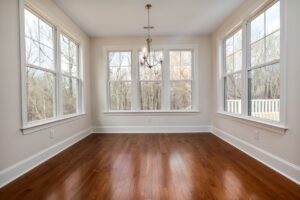
How Windows Frame the Surrounding Landscape
Windows can function much like picture frames by controlling which portions of the outside environment are visible. Their height, width, position, and relationship to nearby walls determine how a view is presented from inside. A carefully positioned opening can emphasize a tree, distant landscape, or architectural feature while reducing less desirable elements from sight. The resulting composition can become an intentional part of the room’s appearance. The view is therefore not simply something visible through the window but an element shaped by architectural decisions.
Why Furniture Placement Can Emphasize Views
The arrangement of furniture can determine whether an exterior view becomes an important part of an interior. Seating positioned toward a window can encourage occupants to notice the landscape, while desks, dining tables, or beds can be oriented to make particular views visible during everyday activities. Furniture can also avoid blocking important sightlines between rooms and windows. This creates visual connections that allow the outside environment to remain present within the interior. The relationship between furniture and windows can therefore influence how frequently and naturally a view becomes part of daily life.
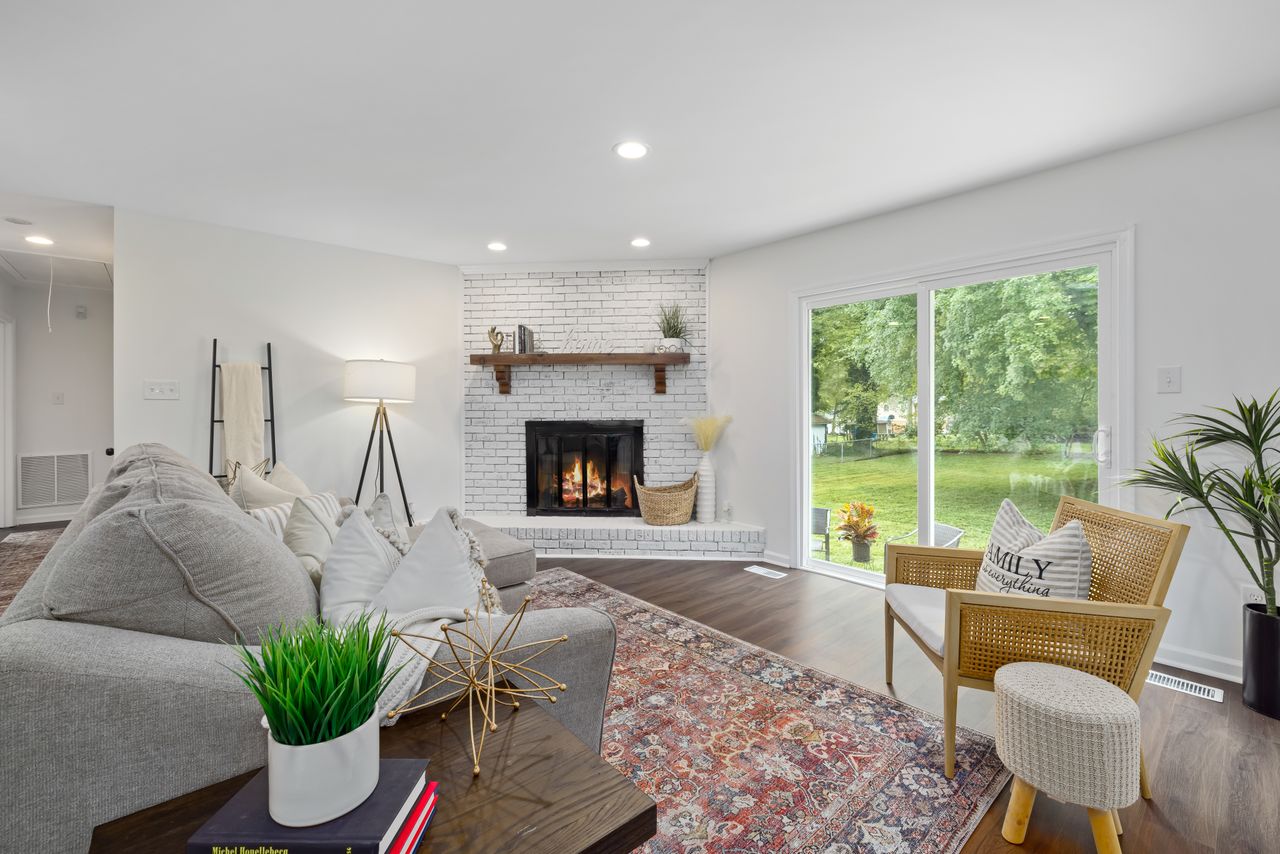
How Natural Views Influence Interior Character
Different landscapes can produce different visual qualities within a room. Greenery can introduce organic forms and changing seasonal colors, while water may create reflective surfaces and a sense of openness. Urban views can provide movement, architectural patterns, and signs of activity. These external elements can influence how an interior feels without requiring decorative additions. A room overlooking a garden may have a distinctly different character from one facing a dense cityscape, even when both have identical dimensions and interior finishes.
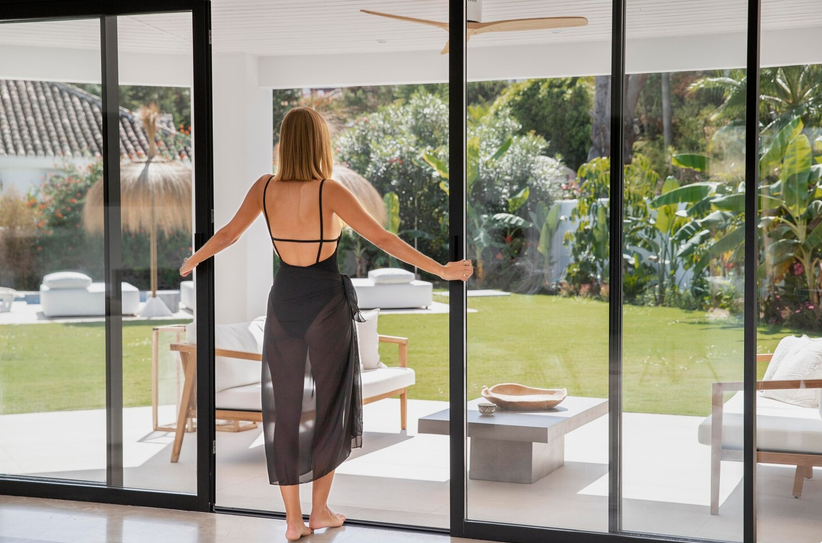
The Connection Between Interior and Exterior Spaces
Views can become particularly powerful when windows connect interior rooms with nearby outdoor spaces. Large openings toward gardens, courtyards, terraces, or balconies can make the boundary between inside and outside feel less defined. Consistent flooring levels, aligned sightlines, and related materials can strengthen this relationship by allowing the exterior to appear as a continuation of the interior. The result is a greater sense of depth, where the visible landscape contributes to the perceived size and character of the room.
Views can become part of a home’s interior design when architecture, furniture, and spatial planning work together to make the surrounding environment visually significant. Windows frame particular scenes, furniture can reinforce important sightlines, and connections between indoor and outdoor areas can make landscapes feel like extensions of interior spaces. These relationships demonstrate that interior character is not created solely by elements contained within four walls. The environment beyond those walls can become an active part of the home’s visual identity and everyday experience.…