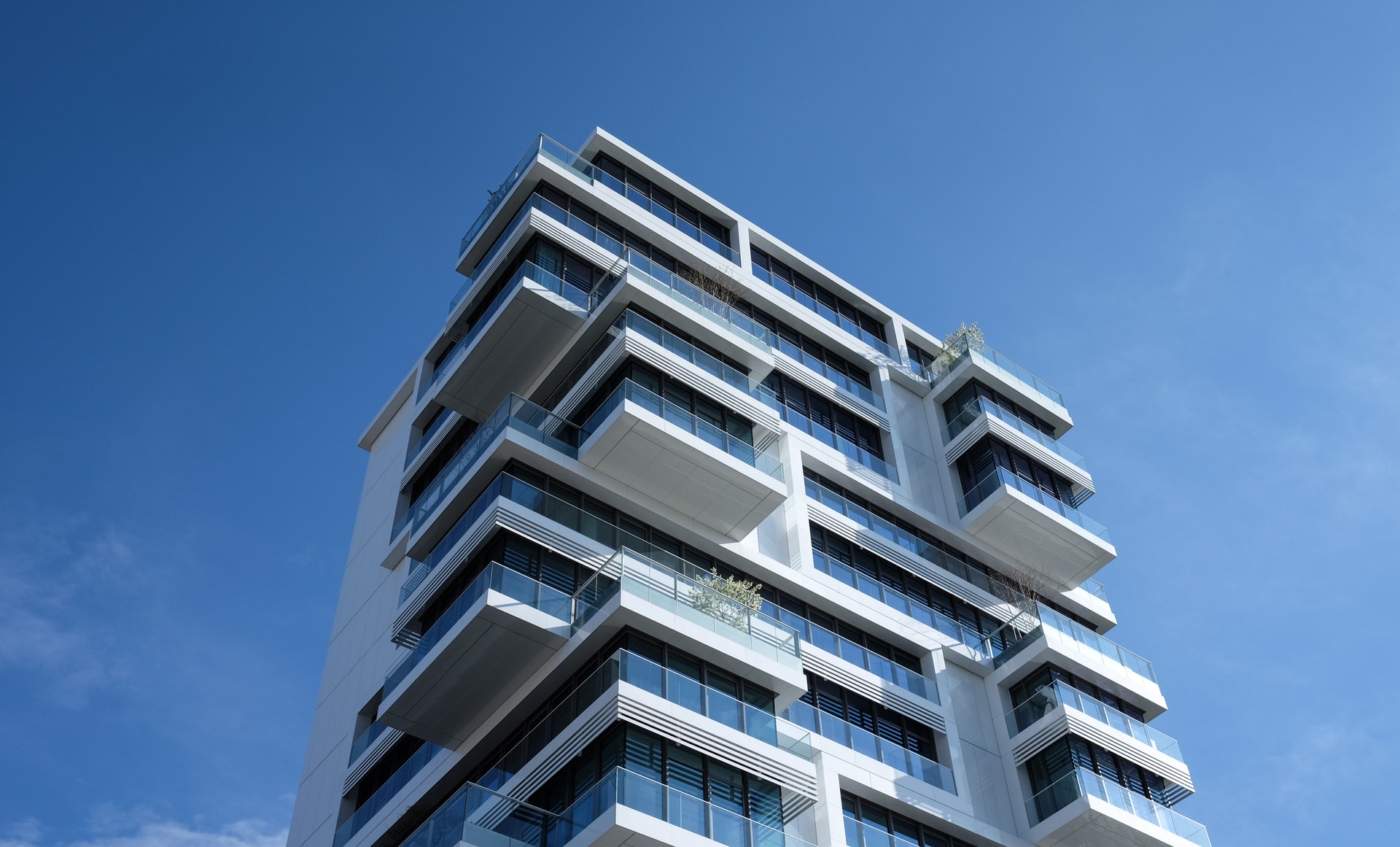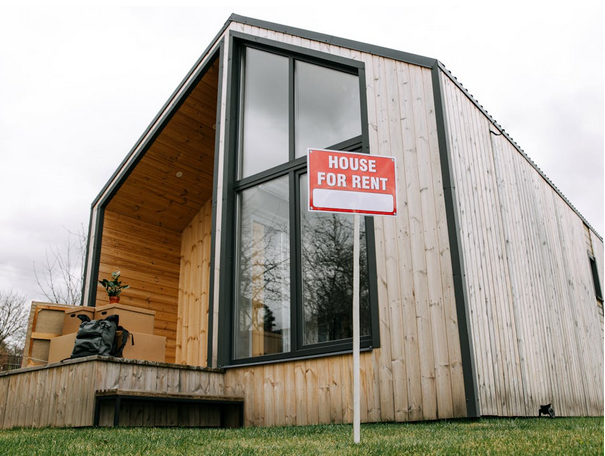
When it comes to choosing a rental property, location is often the first thing tenants consider. Proximity to work, transport, and entertainment matters—but it’s not the only factor that determines whether a property truly stands out. Features, amenities, and thoughtful design choices can make a property memorable and appealing, helping landlords attract and retain quality tenants. From modern finishes to smart technology, the details matter more than ever in a competitive rental market.
Modern Amenities That Impress Tenants

Tenants are drawn to properties that make their lives easier and more enjoyable. Modern amenities, such as in-unit laundry, smart thermostats, and energy-efficient appliances, can elevate a standard rental into something exceptional. Even small touches, like built-in shelving or upgraded lighting, signal that a property is well cared for. These features show prospective tenants that their comfort and convenience have been prioritized, which can influence their rental decision just as much as the neighborhood itself.
Simple Rental Process
Tenants appreciate when it’s easy to access information and complete applications online. Clear listings, professional photos, and virtual tours can attract more interest. For landlords, providing tenants with quick access to resources can make a big difference. Tenants may click here to get started or learn more about the property, streamlining the process and making the rental feel effortless from the very beginning.
Outdoor Spaces and Community Features
Outdoor amenities and shared spaces are increasingly important to renters. Balconies, patios, rooftop gardens, and communal lounges provide opportunities for relaxation and socializing. Properties that include access to gyms, coworking areas, or green spaces offer tenants added value that goes beyond four walls. Even smaller touches, such as bike racks or dog-friendly areas, can leave a lasting impression on prospective renters.
Clean and Thoughtful Interior Design
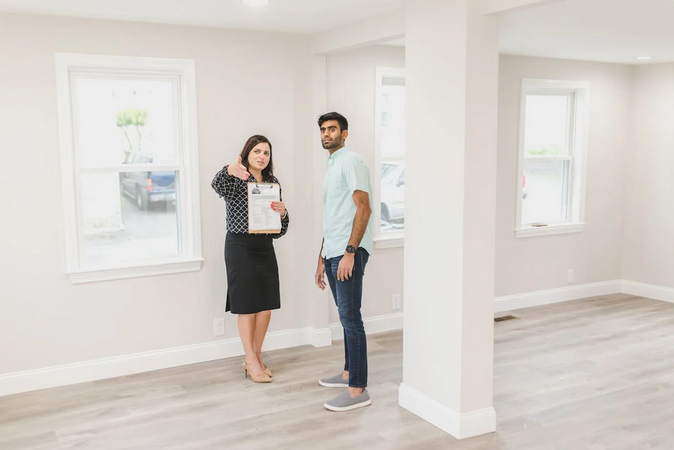
A rental property that looks and feels inviting always stands out. Neutral colors, well-chosen finishes, and functional layouts make a property feel spacious and move-in ready. Tenants want a home that they can personalize without feeling overwhelmed by dated or mismatched décor. Thoughtful interior design can also increase perceived value, making the property feel more premium even if the rent is comparable to other units nearby.
Energy Efficiency and Sustainability
Environmentally conscious tenants are paying more attention to sustainability. Energy-efficient lighting, low-flow water fixtures, and properly insulated windows not only reduce utility bills but also appeal to tenants who value eco-friendly living. Incorporating sustainable features can give a property a competitive edge and demonstrate that landlords are forward-thinking and responsible.
Safety and Security Measures
Safety is a top priority for tenants when evaluating a rental property. Well-lit entrances, secure access systems, and visible security features create a sense of trust and comfort. Even simple measures, like installing smoke detectors or maintaining functional locks, contribute to the overall feeling of safety. Properties that proactively address tenant security often leave a stronger impression and enjoy longer-term tenancy.
Personalized Services and Flexibility

Landlords who offer responsive communication, flexible lease options, and maintenance support often stand out in renters’ minds. Personalized service makes tenants feel valued and respected, which encourages them to stay longer. Quick responses to inquiries or repair requests, along with clear policies, can turn a good rental into a preferred home.
A rental property’s appeal extends far beyond location. Thoughtful amenities, modern design, convenience, sustainability, safety, and attentive management all play key roles in attracting tenants. By paying attention to these factors, landlords can differentiate their properties in a competitive market and create homes that tenants are proud to call their own. Investing in these details isn’t just about aesthetics—it’s about creating a living experience that feels convenient, safe, and welcoming.…


 You don’t have to choose the lender with the lowest interest rate. A reliable mortgage lender should also be available to help you. Otherwise, your loan may not be approved, or you may have to pay additional fees. You can make buying a home as easy as possible by finding a mortgage lender that offers quality service and low interest rates. Besides, it would be beneficial for you if you don’t have a prominent budget. Therefore, you can spend more money on other essential concerns.
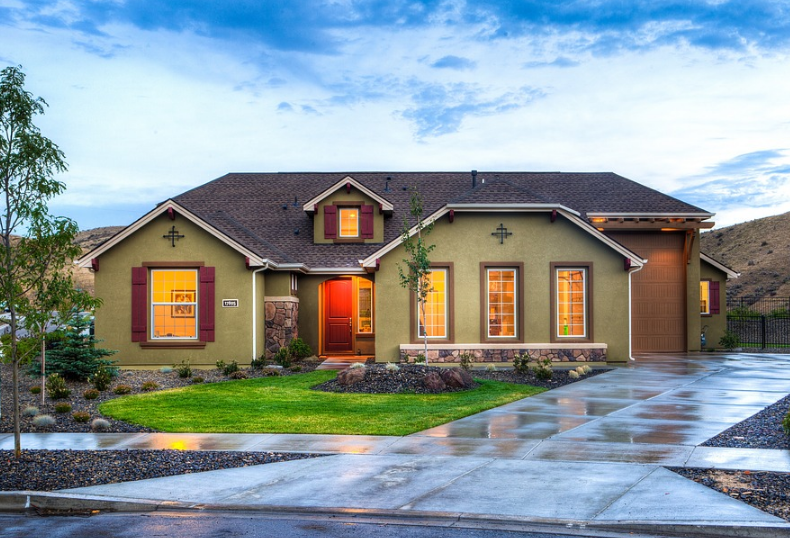
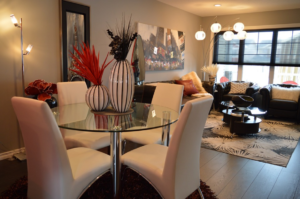
 The floor plan you choose for your new home must be considered. It will allow for furniture placement. You should also consider the layout and seating arrangements of your furniture. This will affect the overall feel of your space. You should measure your furniture before you decide how much space you need.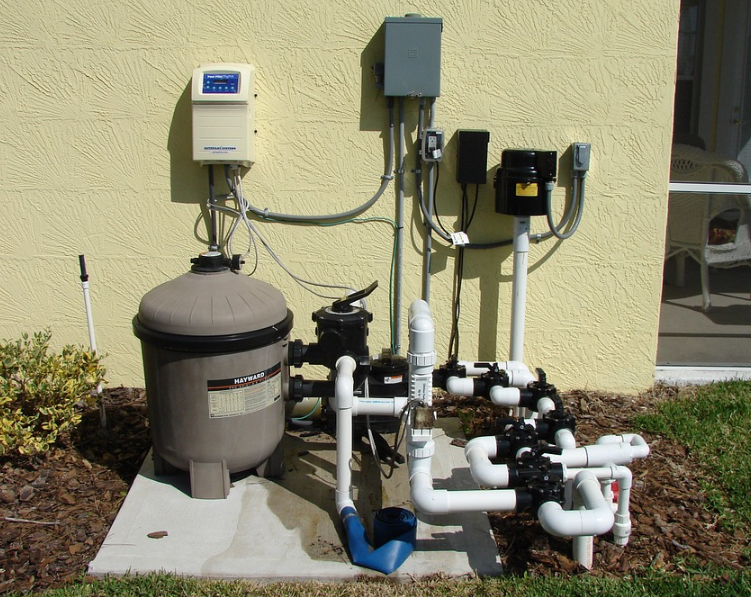
 Water from a treatment plant still contains contaminants like chlorine, fluoride, and lead. Most tap water and well water have some level of contamination due to pollution. The only way of knowing what is in your water is by testing it. By installing a
  Even harmless minerals in your water can build up over time and wreak havoc on your house’s plumbing system. Plumbing system like the faucets, garbage disposal, and dishwasher can also be negatively affected by hard or contaminated water.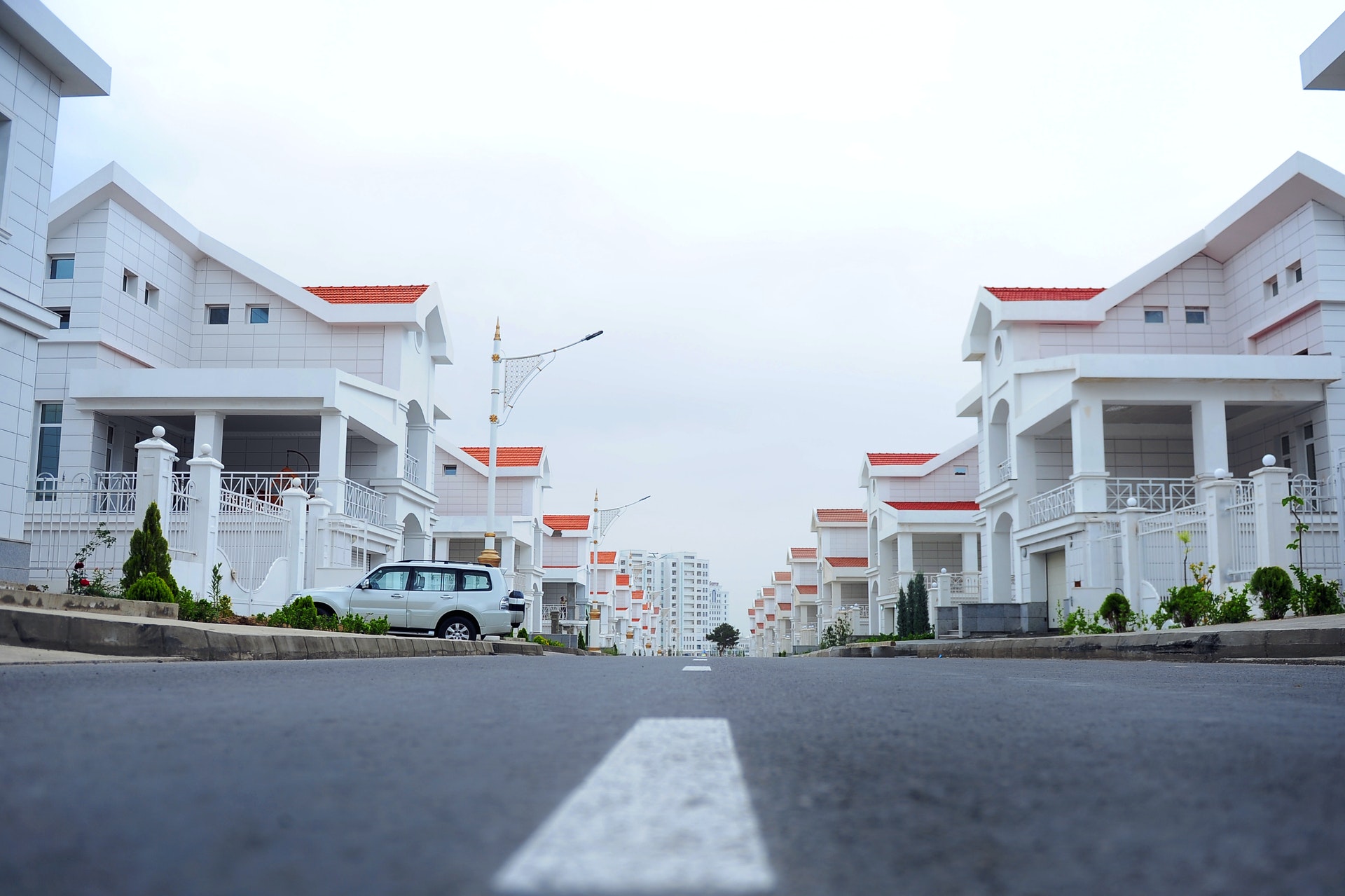

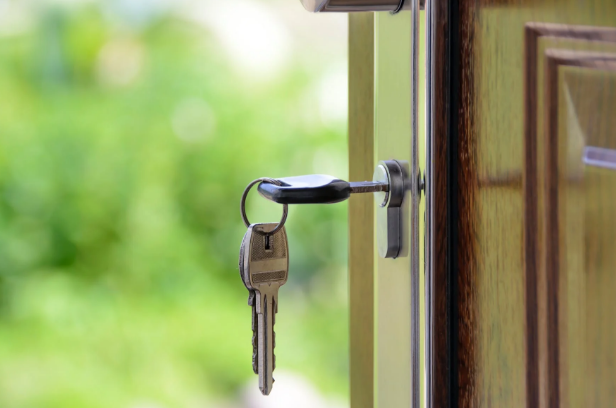

 When you would like to purchase a house, you must make certain that it’s problem-free. It’s also best to check whether the property does not have any legal liabilities. One of the fundamental problems of real estate buyers is lawful issues. A property might have come out of a lousy owner who didn’t cover the initial tax conditions. This is sometimes a nuisance to the purchaser, particularly when the amount is too much.