When people think of innovation, industries like tech, medicine, or automotive usually steal the spotlight. But quietly—and significantly—the construction world has been evolving. Once seen as slow to change, the industry is now adopting new technologies, sustainable practices, and creative thinking that are reshaping how we live. From the materials used to the way homes are designed and built, construction is becoming a major force in housing innovation. Here’s why the construction industry may be the most underestimated driver of progress in our homes—and why that’s rapidly changing.
AI Prompts the Rise of Smarter Building Design
Artificial intelligence is starting to influence construction far beyond what most people realize. It’s not just about robots or automation on job sites—AI is changing how buildings are planned, designed, and even maintained. Architects and builders are using machine learning to analyze everything from climate data to structural stress points, helping them create smarter, more efficient homes. In fact, according to insights from https://www.news.de/reisen-und-leben/858589047/hausbau-mit-ki-wie-kuenstliche-intelligenz-heute-schon-architektur-neu-denkt/1/, AI is already helping redefine architectural processes, making it possible to build homes that are more adaptive to their environments and the people who live in them.
Green Building Is the New Gold Standard
Sustainability is no longer a bonus—it’s becoming the baseline. Builders are now prioritizing materials and systems that are environmentally friendly, energy-efficient, and longer-lasting. Innovations in insulation, water recycling systems, and renewable energy integration are helping create homes that leave a smaller carbon footprint and reduce costs for homeowners. As climate concerns grow, so does the demand for green construction—pushing the industry to keep innovating and refining eco-conscious building practices.
Prefabrication Is Making High-Quality Homes Faster
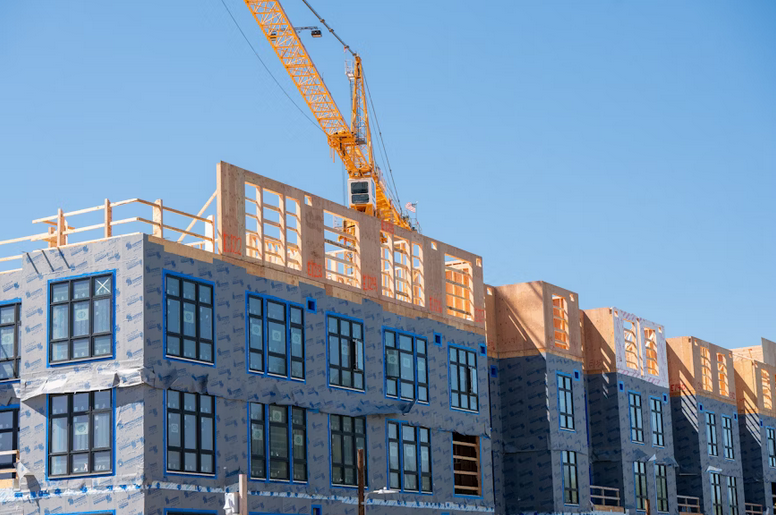
Gone are the days when prefabricated homes meant bland, low-quality boxes. Today’s modular and prefab designs are sleek, efficient, and customizable. These methods allow homes to be constructed in a fraction of the time compared to traditional builds—often with higher quality control since much of the work happens in a controlled factory setting. This not only reduces waste but also makes housing more accessible, particularly in areas facing labor shortages or rising costs. Prefab isn’t just about speed—it’s about smarter, more consistent craftsmanship.
Construction Tech Is Revolutionizing the Job Site
While much of the spotlight is on digital tools in design, innovation is also happening on the ground. Drones are being used to map sites and monitor progress. Wearables help improve worker safety. 3D printing is being tested for building entire homes in days. Even augmented reality is finding a place, helping project managers visualize plans in real time. These tools don’t just improve efficiency—they’re making the job safer and smarter for everyone involved, all while pushing the boundaries of what’s possible on a build.
Customization Is More Accessible Than Ever
One of the most exciting changes in construction is how accessible custom home features have become. Thanks to new design software, flexible floor plans, and modular options, homeowners can now personalize their space like never before. Want an energy-efficient home office, a rooftop garden, or an adaptable layout for multigenerational living? Builders can now deliver those features at scale. The construction industry is no longer one-size-fits-all—it’s quickly becoming tailored to individual needs and lifestyles.
The construction industry may not get the same attention as Silicon Valley, but its innovations are just as impactful—especially when it comes to how we live every day. Whether it’s AI-driven design, sustainable materials, or cutting-edge building techniques, construction is waking up to its role as a leader in home innovation. As these changes become more visible, so too will the industry’s reputation shift—from old-school to forward-thinking. The sleeping giant is stirring—and the future of our homes looks better than ever.…